Course Descriptions & Weekly Structure
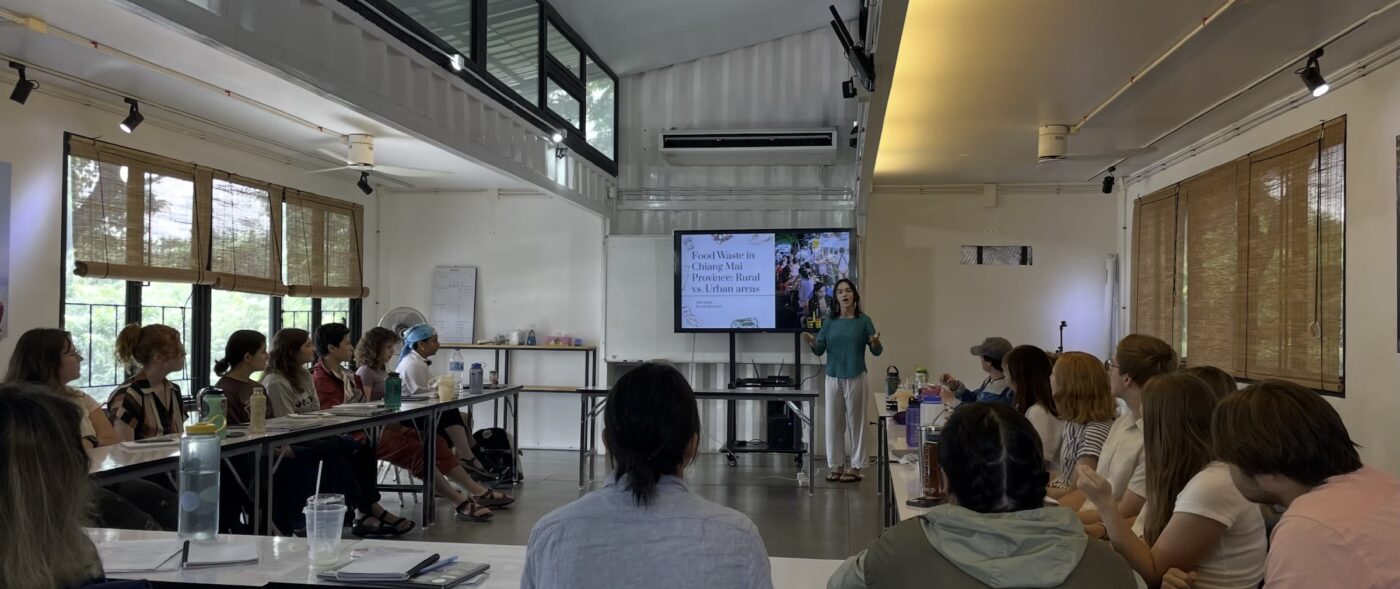
The Semester in Chiang Mai: Society and Culture of Thailand program blends classroom learning with immersive field studies, ensuring students engage deeply with Thai language, history, sustainability, and culture. Each week is structured to balance coursework with hands-on exploration, providing a dynamic and experiential approach to learning.
Weekly Schedule Overview
- Monday–Wednesday: Thai Language in the morning, followed by seminars in the afternoon.
- Monday: Thai History and Politics
- Tuesday: Sustainability in Thailand
- Wednesday: Society and Culture of Thailand
- Thursday: Full-day excursions integrated into course themes.
- Friday-Sunday: Independent study and travel, reflection, and independent exploration.
Each course is designed to connect academic learning with real-world experiences, incorporating field visits, guest speakers, and interactive projects.
Thai Language
Through intensive and practical instruction, students will build proficiency in speaking, listening, reading, and writing Thai. Classes focus on conversational fluency, emphasizing cultural contexts, etiquette, and real-world applications. Students will practice language skills in everyday settings—ordering food at markets, interacting with local communities, and navigating transportation. As a core part of the program, Thai language study enhances cultural immersion and deepens students’ engagement with their surroundings.
Thai History and politics (Monday Seminars & Integrated Field Studies)
This course examines Thailand’s rich history and contemporary social dynamics, from ancient kingdoms to modern political movements. Topics include Buddhism’s role in society, economic development, and cultural identity in a globalized world. Visits to historic temples, exploring the old city inside the city walls, and discussions with local activists, historians, and others provide firsthand perspectives on how Thailand’s past shapes its present.
Thai History and Politics Syllabus
Sustainability in Thailand (Tuesday Seminars & Integrated Field Studies)
Thailand’s ecosystems and communities face critical challenges in balancing conservation, economic development, and cultural preservation. This course explores sustainable agriculture, eco-tourism, forest conservation, and the impact of climate change. Field studies include visits to organic farms, sustainable coffee plantations, and national parks, as well as discussions with environmental activists and local farmers working toward ecological resilience.
Sustainability in Thailand Syllabus
society, CULTURE and the arts of Thailand (Wednesday Seminars & Integrated Field Studies)
To really understand a culture it is important to look at the arts, broadly defined. From ancient murals to contemporary street art, this course explores the incredible diversity of Thai artistic expression. Students will examine temple architecture, traditional dance and music, folk storytelling, and handicraft traditions alongside modern graffiti, film, the performing arts and more. Hands-on experiences include workshops, exploration, and visits to cultural hubs, providing insight into how Thai art from cooking to music reflects shifting cultural and political landscapes.
Society, Culture, and the Arts Syllabus
Field Studies & Excursions (Thursday Full-Day Trips)
Excursions are an essential part of the learning experience, reinforcing classroom discussions with real-world applications. Some of the full-day field studies include:
- Historic Chiang Mai: Exploring temple murals, Lanna architecture, and the old city’s cultural landmarks.
- Organic Farming & Sustainability: Visiting a Northern Thai village to study permaculture and traditional agriculture.
- Buddhism & Temples: Engaging with monks in a temple setting to understand Buddhist philosophy and practice.
- Street Art & Music Scene: Meeting contemporary Thai artists and musicians to discuss modern creative movements.
- Eco-Tourism & Conservation: Trekking in Thailand’s national parks to study environmental challenges and solutions.
This integration of coursework, cultural immersion, and experiential learning ensures students develop a holistic understanding of Thailand’s diverse history, traditions, and contemporary issues.