
Every course at ISDSI includes an Independent Field Research Project, or IFRP: an independent research project that each student designs and carries out with instructor supervision and mentoring. ISDSI semester programs and summer courses all offer opportunities for students to do independent research.
Alongside the experiential coursework and field studies during ISDSI courses, students also research a question connected to the course and to their own academic discipline, then spend the course investigating it through direct observation, interviews, and field data collection. The IFRP is what distinguishes an ISDSI course from a conventional study abroad course — students are not simply learning about Thailand’s diversity of cultures, communities, and ecosystems, they are conducting original research within them.
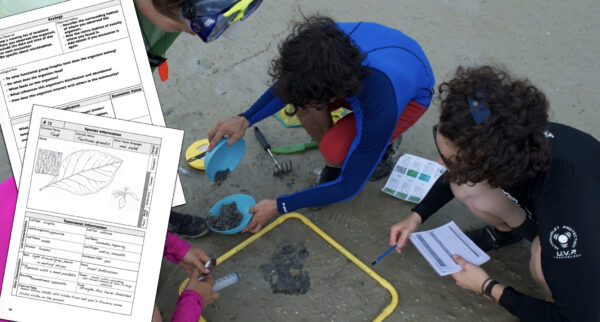
Field research in the natural and social science is a part of ISDSI courses, building skills for independent student research.
Design and Supervision
Students select their research topic under the supervision of ISDSI instructors, who train them in field research methods, review their proposals, and provide ongoing feedback as the project develops. This supervision is sustained rather than a single point of approval: instructors work with students throughout the research process, from the initial proposal through data collection to the final presentation. Because each student’s topic is tied to their own major or discipline, the IFRP allows a biology student, an anthropology student, and an economics student in the same course to pursue distinct questions suited to their own academic focus.
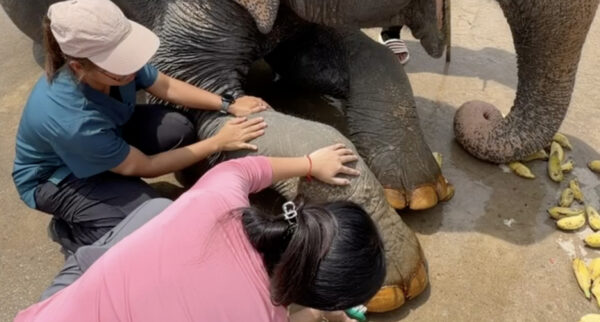
Studying elephant health care under the supervision of Chiang Mai University professors of veterinary science.
Method and Scope
The IFRP is grounded in primary field research. Students propose their own methodology, then gather evidence through observation, interviews, and structured fieldwork in the communities and places where the course is based. This research is not conducted in isolation: students also draw on relevant literature from the course and their own reading to inform and support their findings. The result is a project that combines firsthand fieldwork with the disciplinary grounding of a formal research project — an approach that gives students practice with real-world complexity and data collection under conditions a classroom alone cannot replicate.
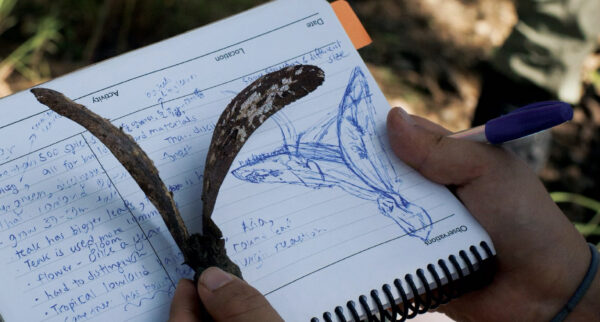
Learning how to collect data and write field notes are a core skill students at ISDSI develop.
Structure
Students propose a research question and methods at the start of the course, then conduct their fieldwork alongside the rest of the coursework, with a formal check-in at the course midpoint to report progress and refine their approach and research question based on their progress so far. At the end of the course, students present their final results, methods, and conclusions.
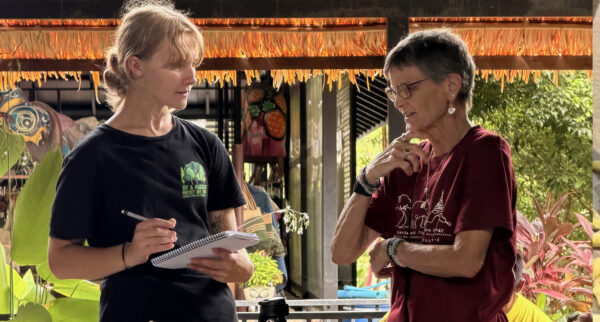
ISDSI student Natelle discussing her research with Dr. Janine Brown of the Smithsonian Institute.
What Students Gain
Through the IFRP, students gain practical experience with field research methods and the skill of refining a research question as a project develops, rather than treating it as fixed from the outset. They learn to navigate real-world complexity and challenging data collection while still reaching sound conclusions, and they leave the course having created and presented original research of their own design. For students considering graduate school or research-oriented careers, this means a genuine writing sample and fieldwork experience to discuss in interviews and personal statements. For those entering the job market, it means a completed project they designed and carried out, not just coursework they completed.
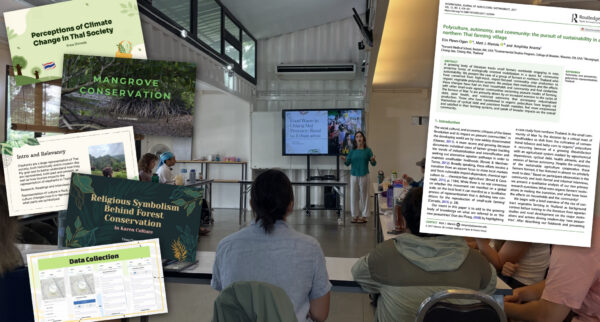
Presentations are the capstone of the IFRP experience – giving students an opportunity to synthesize and present their work.
The IFRP reflects ISDSI’s broader approach to education: learning grounded in direct engagement with local communities and environments, rather than in the classroom alone.